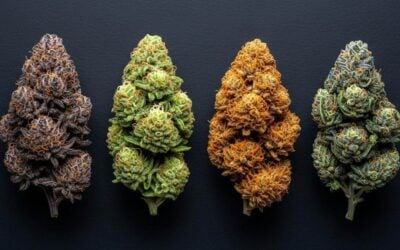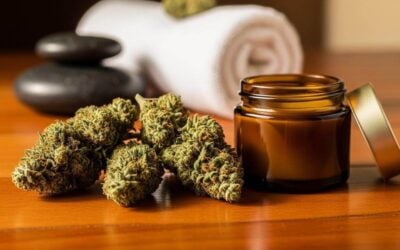



For most users experiencing anxiety, indica strains provide more reliable relief than sativa. Indica’s body-focused, sedative effects reduce the physical symptoms of anxiety — muscle tension, rapid heartbeat, restlessness — while sativa’s cerebral stimulation can amplify those same symptoms. However, the answer is more nuanced than “always choose indica.”
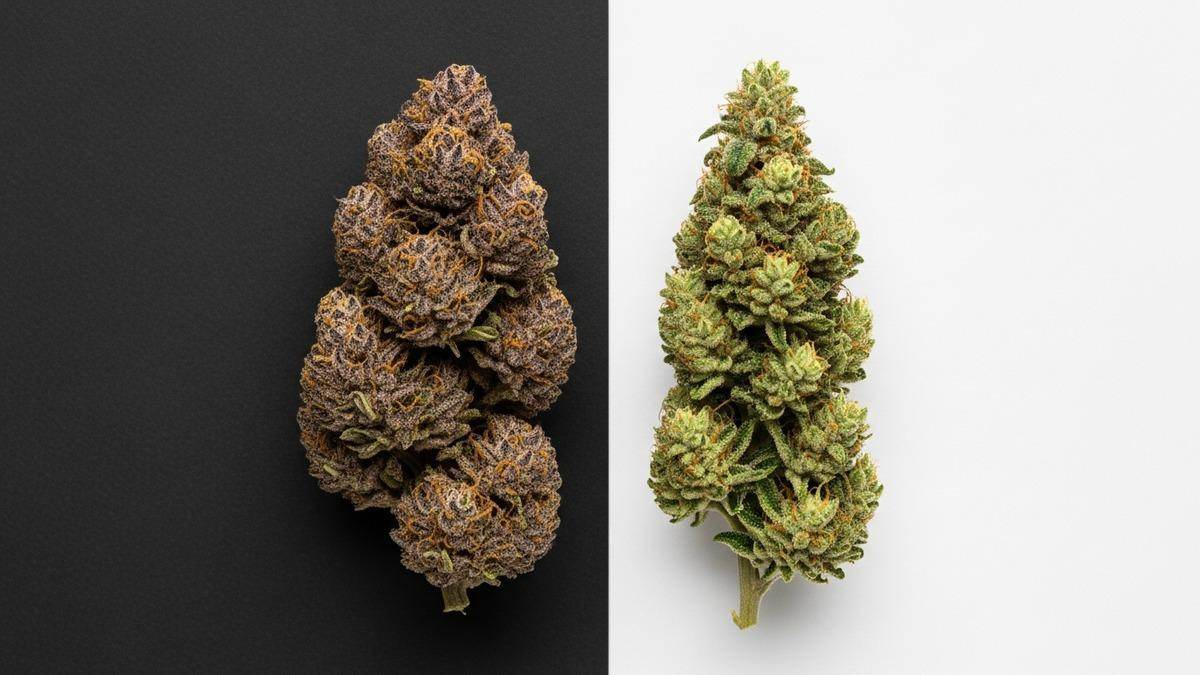
How Indica Addresses Anxiety
Indica strains work on anxiety primarily through physical relaxation. The dominant terpene in indica — myrcene — is a muscle relaxant and sedative that directly addresses the somatic (body-based) symptoms of anxiety.
When anxiety produces muscle tension in your shoulders, a tight jaw, shallow breathing, or restless legs, indica’s body-focused effects override those physical signals. This physical calming often reduces mental anxiety as well, since the brain interprets physical relaxation as a safety signal.
Indica strains with linalool — the same terpene found in lavender — add direct anxiolytic (anti-anxiety) properties. Granddaddy Purple, Blueberry, and Bubba Kush contain measurable linalool alongside myrcene, making them the most targeted indica options for anxiety.
For a complete breakdown of the best indica strains for anxiety, see our resource: Indica Strains for Anxiety and Stress Relief.
How Sativa Affects Anxiety
Sativa strains produce primarily cerebral effects — mental stimulation, heightened creativity, increased energy, and enhanced sensory perception. For users whose anxiety is rooted in physical tension or overstimulation, these effects can worsen symptoms.
However, sativa is not universally bad for anxiety. Specific scenarios where sativa may help:
- Depression-related anxiety — When low mood drives anxious thoughts, sativa’s mood-elevating effects can address the root cause.
- Social anxiety in low-stimulation settings — Small doses of limonene-rich sativa may reduce social inhibition without the sedation that makes indica impractical for social situations.
- Fatigue-driven anxiety — When exhaustion amplifies anxious feelings, sativa’s energizing effects may break the cycle.
The risk: sativa strains with high THC (above 22%) and dominant limonene or terpinolene can trigger racing thoughts, elevated heart rate, and paranoia — the exact symptoms most anxiety sufferers want to avoid.
The Terpene Factor Matters More Than the Label
Modern cannabis science increasingly recognizes that the indica/sativa distinction is an oversimplification. Terpene profiles predict effects more accurately than strain classification alone.
Anxiety-relieving terpenes:
- Linalool — Direct anxiolytic effects, found in lavender and many indica strains
- Myrcene — Sedation and muscle relaxation that reduces physical anxiety symptoms
- Beta-caryophyllene — CB2 receptor activation that modulates stress response
Anxiety-worsening terpenes (at high concentrations):
- Terpinolene — Can produce cerebral stimulation that triggers racing thoughts
- High-dose limonene — May increase alertness to the point of restlessness in sensitive users
The practical takeaway: ask your budtender for the lab-tested terpene profile, not just the indica/sativa label. A high-linalool indica-dominant hybrid will address anxiety more effectively than a low-terpene pure indica with the same THC content.
When to Choose Indica for Anxiety
Choose indica when your anxiety manifests as:
- Muscle tension, jaw clenching, or physical restlessness
- Difficulty sleeping due to racing thoughts
- Overstimulation from Las Vegas Strip environments
- General stress that creates full-body tension
- Panic symptoms with physical components (rapid heartbeat, shallow breathing)
Best indica strains for anxiety: Granddaddy Purple, Blueberry, Northern Lights, Bubba Kush
When to Consider Sativa for Anxiety
Consider sativa when your anxiety manifests as:
- Low mood or depression driving anxious thoughts
- Social withdrawal or isolation
- Physical fatigue amplifying mental anxiety
- Need to remain functional and social
If choosing sativa for anxiety: Select strains below 20% THC with limonene as a secondary (not dominant) terpene. Start with a single small inhalation and wait 15 minutes.
The Hybrid Middle Ground
For users uncertain about indica vs. sativa, balanced hybrids (50/50 or 60/40 indica-dominant) provide a compromise. These strains offer body relaxation with enough cerebral clarity to avoid the heaviness that makes pure indica impractical in social or active settings.
Blue Dream — while technically sativa-dominant — is the most commonly recommended “anxiety hybrid” at Nevada dispensaries due to its body-calming myrcene content paired with mood-lifting limonene.
Key Takeaways
- Indica is the safer choice for most anxiety types due to body-focused sedation
- Sativa can worsen anxiety in sensitive users but helps with depression-driven anxiety
- Terpene profiles (linalool, myrcene) predict anxiety relief better than indica/sativa labels
- Start with moderate THC (15–20%) regardless of strain type
- Consume in a comfortable private setting, especially for first use